

UNESCO sites in Scotland: where to find them?
Scotland, a land of rich cultural and historical heritage, proudly safeguards sites recognized for their universal value by UNESCO. These landmarks, standing as enduring testaments to human history and ingenuity, form the backbone of Scotland’s World Heritage treasures.
UNESCO World Heritage Sites in Scotland: A Journey Through History
When planning your trip to Scotland, you’ll have the opportunity to explore these extraordinary sites, where ancient stones tell tales of a fascinating past. This guide introduces you to Scotland’s UNESCO World Heritage Sites, offering insight into their historical significance and cultural importance.
Our Great Scottish trips
Scotland: 9 days in the Highlands
Great British Steam Railways Tour
Scotland in 10 days
Introduction to Scotland’s UNESCO World Heritage Sites
Scotland, a land of legends and history, is home to some of the world’s most treasured heritage sites. For centuries, it has safeguarded its cultural and natural wonders, ensuring their preservation for future generations. Aligned with UNESCO’s mission, Scotland remains committed to protecting and promoting its extraordinary legacy.
A Brief History of Heritage Conservation in Scotland
The dedication to preserving Scotland’s heritage dates back centuries, long before modern conservation efforts. From medieval castles to prehistoric ruins, the country’s historic monuments serve as tangible links to its rich past. Each stone, each structure tells a story of Scotland’s cultural evolution.
Over time, organised efforts to protect these invaluable sites gained momentum, with dedicated institutions stepping in to shield them from natural decay and human impact. Today, these conservation initiatives ensure that Scotland’s historical landmarks continue to inspire and educate generations to come.
The Importance of UNESCO and the Selection Criteria
Being designated as a UNESCO World Heritage Site is a prestigious recognition that affirms a location’s Outstanding Universal Value. To qualify for this status, a site must meet at least one of the criteria established by this global organization. These criteria encompass a wide range of significance, from architectural masterpieces and geological wonders to living traditions that embody ancestral cultural heritage.
In Scotland, UNESCO-listed sites are as diverse as they are captivating, each offering a unique journey through time and Scottish culture.
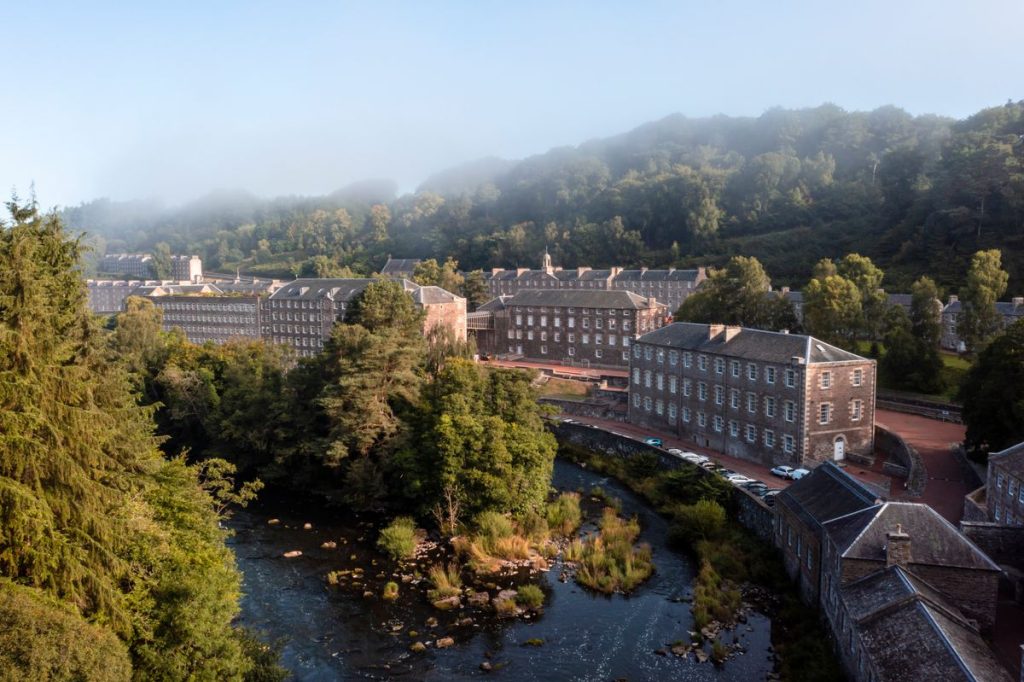
New Lanark
New Lanark, a UNESCO World Heritage Site in Scotland, is a beautifully preserved 18th-century mill village on the banks of the River Clyde. Founded by David Dale and later managed by social reformer Robert Owen, it became a model industrial community renowned for progressive workers’ rights, education, and social welfare.
Today, visitors can explore the restored mills, historic workers’ housing, and scenic surroundings while learning about the village’s pioneering role in industrial and social history.
The Neolithic Heart of Orkney
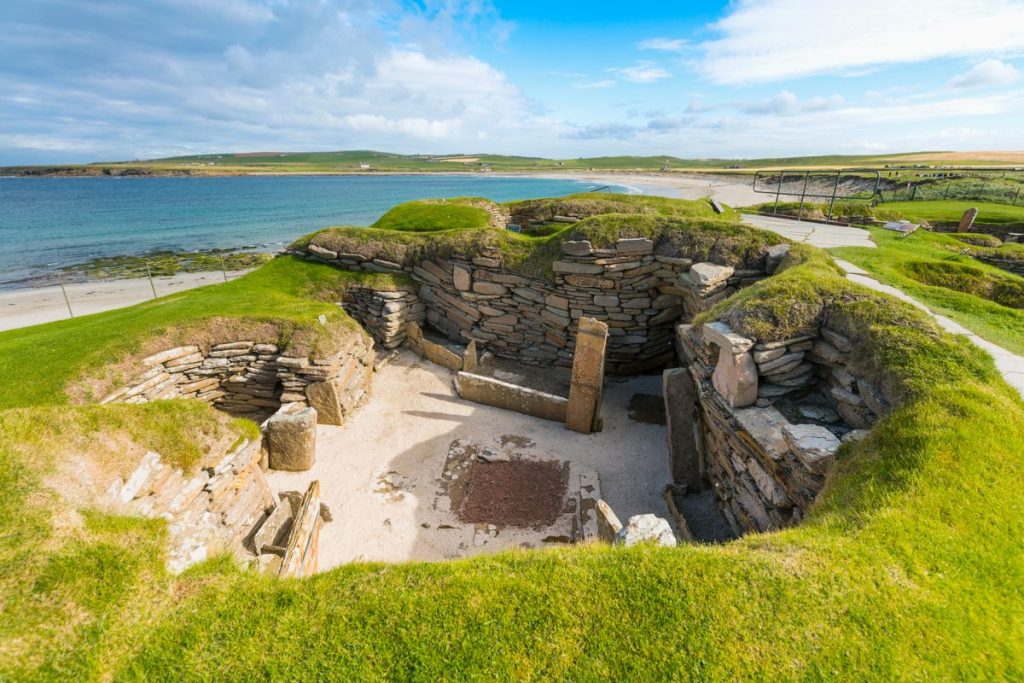
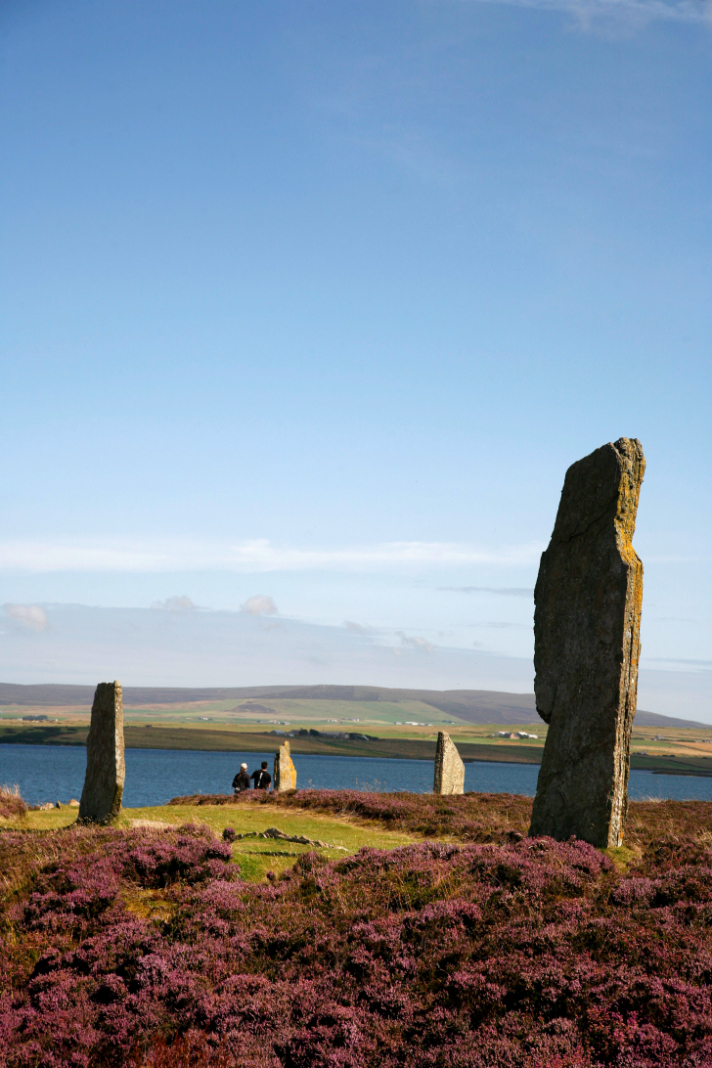
The Neolithic Heart of Orkney, a UNESCO World Heritage Site in Scotland’s Orkney Islands, is a remarkable collection of prehistoric monuments dating back over 5,000 years.
Key sites include Skara Brae, a well-preserved village revealing daily Neolithic life; the Ring of Brodgar, a mysterious stone circle; Maeshowe, a chambered tomb with Viking runes; and the Standing Stones of Stenness, Scotland’s oldest henge.
Together, these sites offer an extraordinary glimpse into early human ingenuity, spirituality, and architectural skill, standing as enduring testaments to the cultural and historical legacy of Europe’s first civilizations.
Edinburgh’s Old and New Towns
A Unique Blend of Architecture and History
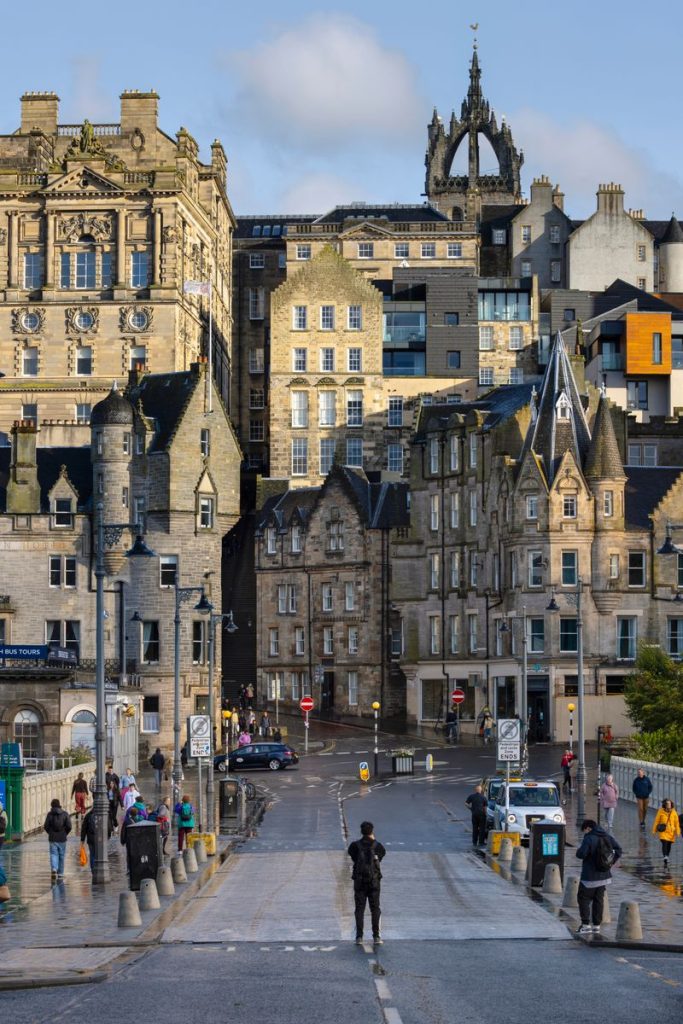
Edinburgh’s Old and New Towns offer a striking contrast in urban design. The Old Town’s medieval closes and dark Gothic architecture stand in harmony with the New Town’s elegant Georgian symmetry, showcasing the city’s evolution and securing its UNESCO World Heritage status.
Historic Landmarks
The Old Town is home to Edinburgh Castle, a symbol of Scotland’s heritage, and the Palace of Holyroodhouse, the monarchy’s Scottish residence. Along the Royal Mile, landmarks like St Giles’ Cathedral enrich the city’s historic charm.
The New Town embodies Enlightenment ideals with grand squares and wide avenues. Architectural highlights include Charlotte Square, designed by Robert Adam, reflecting a vision of order and refinement.
Edinburgh’s seamless blend of past and present makes it a living testament to Scotland’s cultural and architectural legacy.
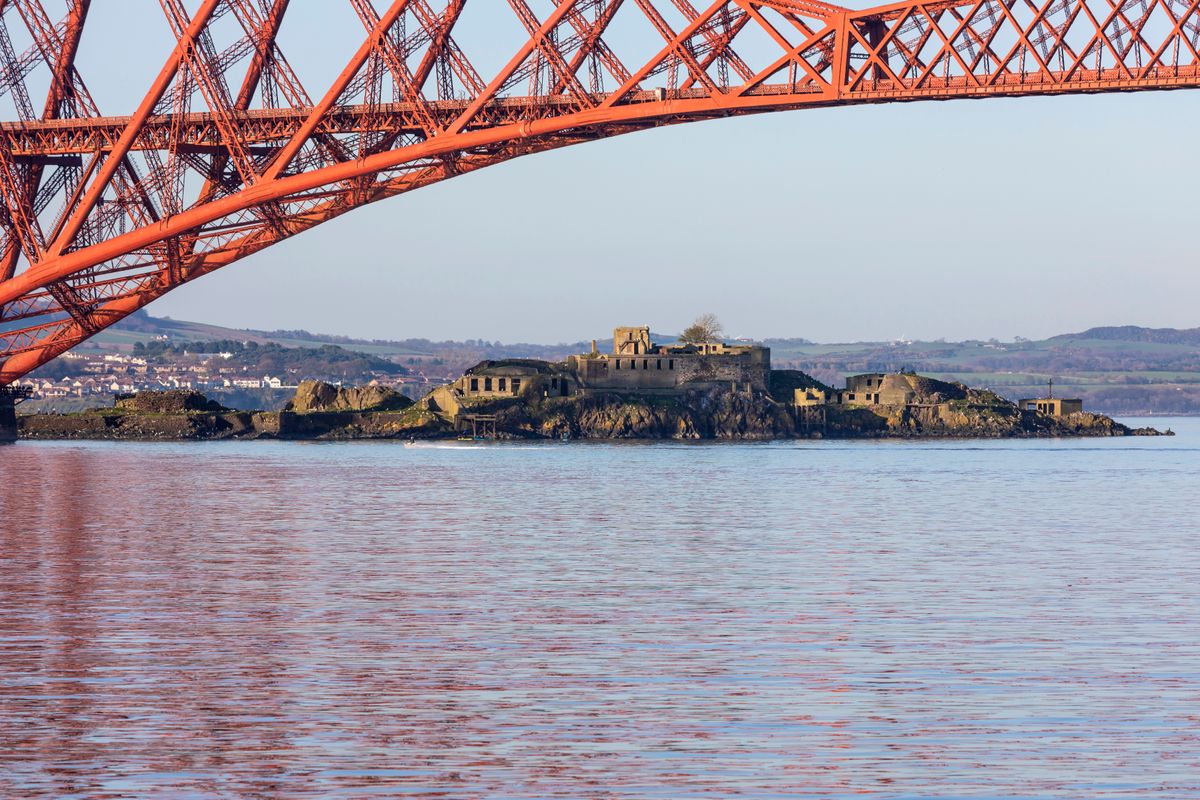
The Forth Bridge: Scotland’s Engineering Icon
A Masterpiece of 19th-Century Engineering
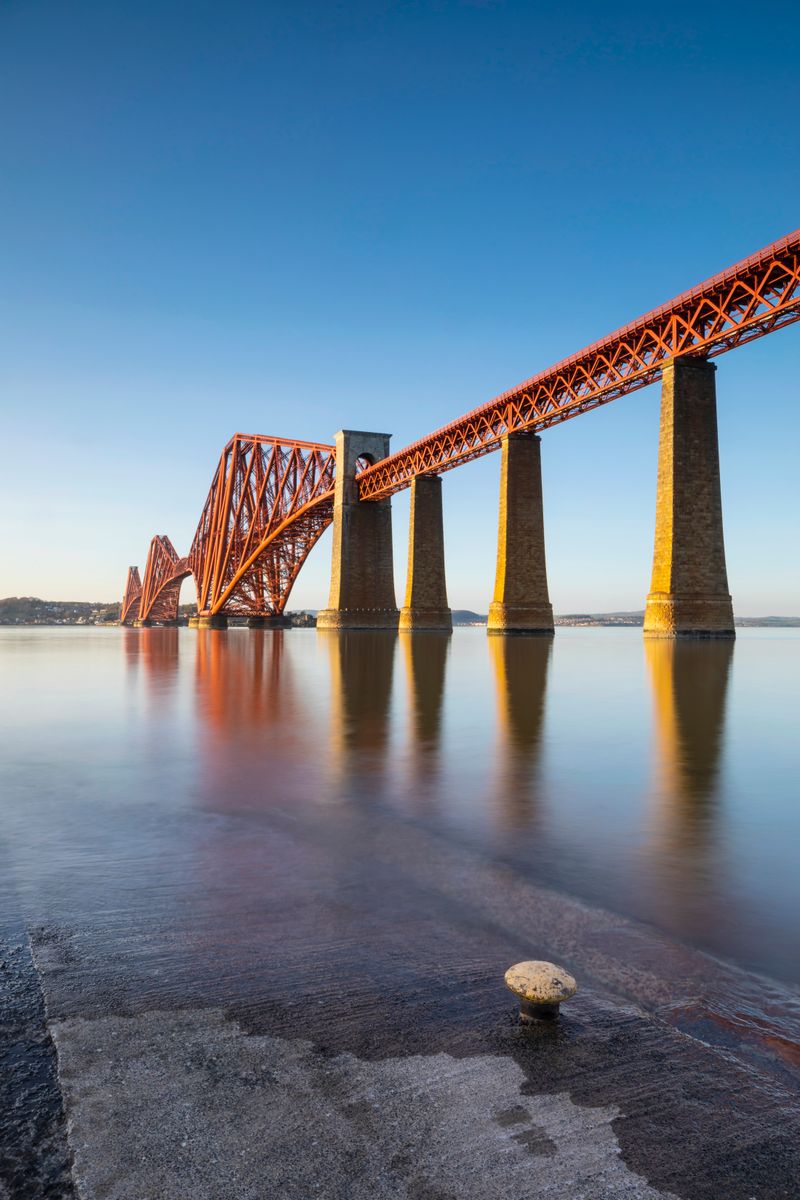
Spanning the Firth of Forth since 1890, the Forth Bridge is a pioneering feat of engineering and a symbol of Scotland’s industrial prowess. Designed by Sir John Fowler and Sir Benjamin Baker, this cantilever railway bridge required 54,000 tonnes of steel and years of skilled labor to complete. Its bold design overcame major technical challenges, setting new standards in bridge construction.
A Scottish Landmark with Global Recognition
Connecting Edinburgh and Fife, the Forth Bridge has played a vital role in Scotland’s transport network for over a century. During both World Wars, it was crucial for military logistics. Recognized as a UNESCO World Heritage Site in 2015, it remains a marvel of industrial ingenuity and a must-visit attraction.
Admiring the Forth Bridge isn’t just about its grandeur: it’s about experiencing a piece of history that continues to inspire.
Continue reading about…
- Where to eat the best Fish & Chips in Scotland?
- When to visit Scotland: our full guide
- Visit Scotland in Spring
- Fort William in Scotland
- Visit Glasgow in Scotland
- Glencoe in the Highlands
- Golf in St Andrews
- 10 must sees on the Isle of Skye
- Stirling in Scotland
- Scotland’s History and Culture
- Know more about the famous Loch Ness
- Most beautiful castles in Scotland